Trust is not always natural. For many people, trusting was once easy, before frustrations, losses, and broken promises. Over time, trust becomes cautious, distrustful, almost defensive. Not due to a lack of faith, but due to an excess of experiences that have taught them not to expect too much.
There is a type of weariness that doesn't come from physical exertion, but from repeated disappointments. It's the weariness of someone who believed, tried again, opened up—and got hurt. In those moments, trusting in God can also seem difficult, not because of disbelief, but because the heart has learned to protect itself.
This prayer was written for when trust doesn't flow naturally. For when it needs to be carefully rebuilt, step by step, after many falls.
When trust is replaced by caution.
Caution is a natural response to pain. After suffering, the heart creates defenses. It learns not to expose itself so much, not to expect so much, not to believe so quickly. This is not weakness—it's emotional survival.
The problem arises when caution begins to prevent any form of surrender. When the fear of being disappointed again closes important internal doors. Trust doesn't disappear all at once. It is gradually replaced by control, distance, and silence.
Praying in these moments is not about asking for blind trust, but about to trust again with awareness.
Trusting after being wrong
Many trust issues are not only linked to what others have done, but also to what we ourselves have done. Our own mistakes, poor decisions, and difficult consequences can generate distrust in our own judgment.
The silent question arises: "How can I trust myself again?" When this doubt sets in, trusting God also becomes complex, because everything passes through the filter of internal insecurity.
Faith does not ignore flaws. It offers restoration. Trusting again does not require past perfection, but present humility.
When trust seems like too big a risk.
Trust involves risk. It always has. Those who trust accept the possibility of disappointment. After many losses, the heart tries to avoid this risk at all costs. The problem is that avoiding risks also prevents profound experiences.
Mature trust doesn't eliminate risk, but redefines where it is placed. Instead of relying on fragile human guarantees, it comes to trust in a God who sustains even when things don't go as expected.
This doesn't make trust easy, but it makes it safer.
The difference between trusting and being deceived.
Many people confuse trust with naiveté. They believe that trusting requires ignoring signs, repeating bad patterns, or closing their eyes to reality. That's not trust—it's denial.
Healthy trust involves discernment. It involves learning from the past without allowing it to imprison the future. Faith doesn't ask you to expose yourself to everything again, but rather that you don't live as a hostage to the fear of trusting.
Trust in God does not depend on control.
One of the greatest challenges of trust is letting go of control. Controlling gives a sense of security, even if it's illusory. Trust requires accepting limits: not knowing everything, not predicting everything, not guaranteeing results.
For those who have suffered, letting go of control seems dangerous. But maintaining excessive control is tiring, hardening, and isolating. Prayer creates space to gradually release what we cannot carry alone.
A prayer for when trust is difficult.
**God,
Today I approach You with a heart weary of trusting and being disappointed.
I don't arrive with easy delivery,
I arrive carefully,
with wounds that are still sensitive
And afraid to believe again.The Lord knows everything that made me shut myself off.,
everything that taught me to distrust
and everything that made me protect my heart.I'm not asking for naive trust,
I ask for secure trust.
I'm not asking for quick answers.,
I ask for support as I walk.Heal what has been broken by disappointment within me.
Help me to trust without losing myself.,
to deliver without canceling myself
and then without hardening.When the fear of making the same mistake again arises,
It reminds me that I am not walking alone.
When the control seems more secure,
Teach me how to rest.I choose to trust.,
not because everything is clear,
But because I need to continue.Amen.**
Trust is also a process.
Just as pain doesn't appear all at once, trust doesn't return instantly. It's rebuilt little by little, through small choices, small rests, and small steps of surrender.
Every time you choose not to harden completely, something is rebuilt. Every time you allow a little more openness, something heals. Faith respects this rhythm.
When trust seems unfair
There are times when trusting seems unfair. As if it were wrong to trust after everything that has happened. As if trusting meant forgetting or minimizing past pain. This feeling is common and understandable.
Trust doesn't erase what happened. It only prevents the past from governing everything that might still happen. Trust isn't betrayal of pain—it's survival beyond it.
Trust that doesn't depend on results.
Many people only trust while everything is going well. When something goes wrong, trust crumbles. Mature trust doesn't depend on perfect results, but on the certainty that, even when something fails, you won't be abandoned.
This way of trusting doesn't eliminate frustrations, but it prevents them from completely destroying hope.
When trust begins from within.
Before trusting others or the future, you often need to relearn how to trust yourself. Trust that you can overcome difficulties. That you can deal with consequences. That you can get back up, even if things don't go as planned.
Faith strengthens this inner confidence. Not based on self-sufficiency, but on support.
An invitation to possible trust.
If trust seems difficult today, don't demand total commitment from yourself. Start small. Trust a little. Let go a little. Breathe a little. That's already progress.
Confidence doesn't require you to be ready. It grows as you walk.
In conclusion: trusting is not about ignoring the past, it's about choosing the future.
Trusting after so many disappointments is an act of silent courage. It's not weakness. It's not naiveté. It's a conscious choice not to let pain be the only voice.
Trust may be fragile today, but it's still alive. And as long as it's alive, there's a way forward.
You don't have to trust everything. Just don't give up on trusting God while you rebuild the rest.
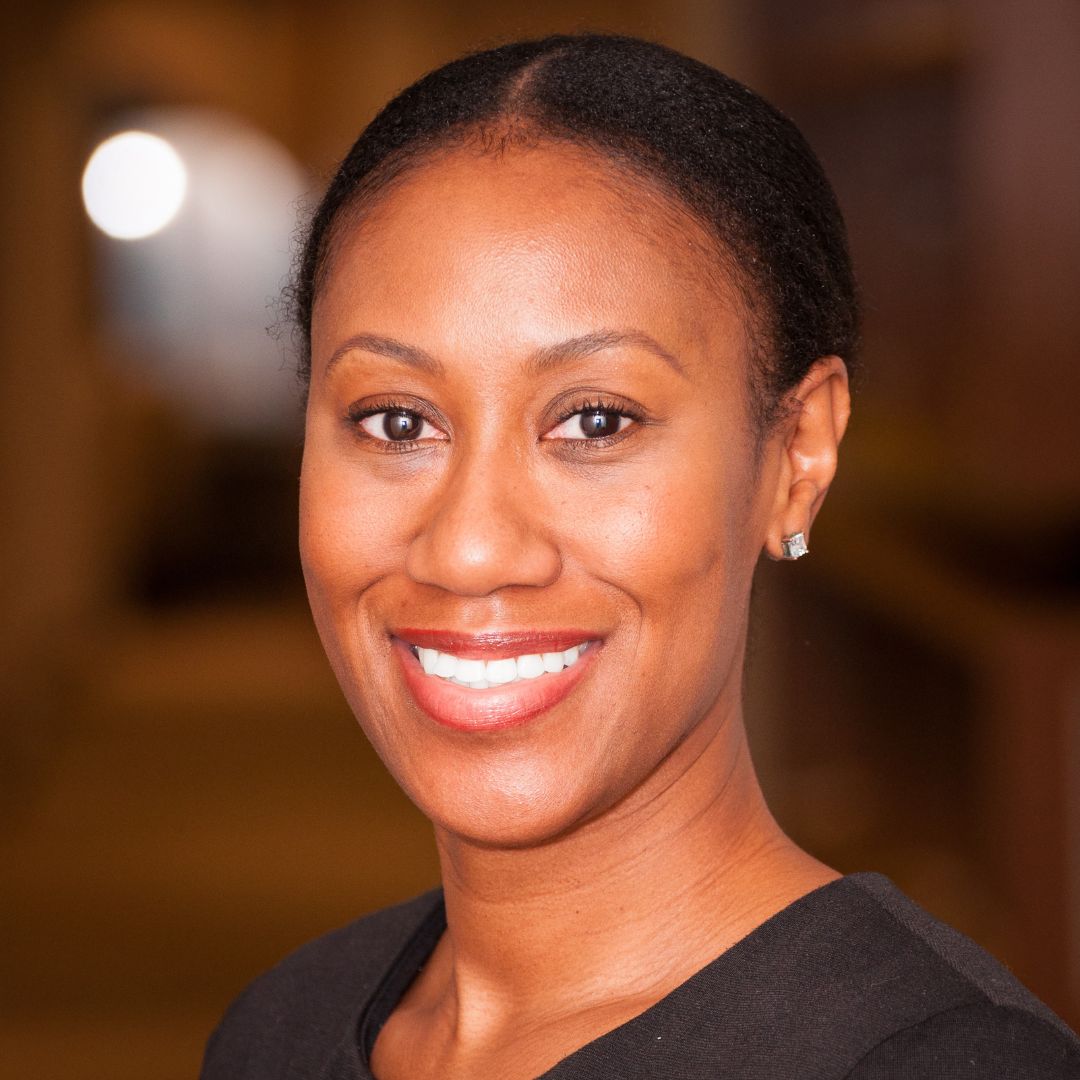
I am a graduate student in Literature and passionate about writing and digital communication. Currently, I am part of the Pray and Faith team, where I produce inspiring content focused on faith, reflection, spirituality, and personal growth in the digital world.
My goal is to create welcoming, uplifting, and informative texts, bringing messages of hope, motivation, and spiritual strengthening to readers from different parts of the world.
All content is developed with dedication, responsibility, and a commitment to relevant and inspiring information, always striving to provide a positive and enriching experience for readers. Join us and enjoy your reading!